Dit artikel is educatief en beschrijft traditionele Ayurvedische begrippen en zelfzorgpraktijken. Het is geen medisch advies en is niet bedoeld om ziekte vast te stellen, te behandelen, te genezen of te voorkomen. Bent u zwanger, gebruikt u medicijnen, heeft u een gezondheidsklacht of twijfelt u of een praktijk voor u geschikt is, raadpleeg dan een gekwalificeerde zorgverlener of Ayurvedisch therapeut.
In het kort: Ayurveda voor een gezondere toekomst is het thema dat is aangekondigd voor Ayurveda Dag op 23 september 2026. Het stelt een praktische vraag in plaats van een medische belofte te doen: wat kunnen mensen redelijkerwijs meenemen uit de klassieke Ayurveda naar het gewone moderne leven? Deze gids legt het thema uit, de vier gedachten die eronder liggen, en hoe u ze thuis toepast zonder te overdrijven wat Ayurveda is.
Wat “Ayurveda voor een gezondere toekomst” betekent
Elk jaar krijgt Ayurveda Dag een thema, en het thema voor 2026 is Ayurveda voor een gezondere toekomst, internationaal aangekondigd als Ayurveda for a Healthier Tomorrow. Snel gelezen klinkt het als een slogan. Aandachtig gelezen is het een veeleisende opdracht.
De uitdrukking bestaat uit twee helften die in tegengestelde richting trekken. “Ayurveda” wijst naar achteren, naar een klassieke literatuur die lang voor de moderne fysiologie werd opgeschreven. “een gezondere toekomst” wijst naar voren, naar mensen met onregelmatige uren, gemaksvoedsel, schermen en een gestage, lichte spanning. Het thema vraagt hoe het eerste eerlijk van nut kan zijn voor het tweede.
Dat is moeilijker dan het lijkt, want de twee makkelijke antwoorden zijn allebei verkeerd. Het eerste makkelijke antwoord ziet de klassieke Ayurveda als folklore zonder praktische waarde. Het tweede kleedt haar in moderne klinische taal en laat haar uitkomsten suggereren die zij nooit heeft beloofd. Het thema ligt daartussenin, en juist die tussenruimte is werkelijk bruikbaar.
De werkbaarder lezing is deze. Ayurveda is bovenal een systeem over gedrag. Zij heeft veel te zeggen over hoe iemand eet, slaapt, beweegt, zich wast en zich aanpast aan het weer. Dat zijn de delen die zuiver overzetten naar een Europees huishouden in 2026, en het zijn de delen die niets onredelijks vragen van het bewijs.
Waarom het thema op 23 september valt
Ayurveda Dag wordt elk jaar op 23 september gehouden. De vaste datum verving een eerdere viering die aan de maankalender was gekoppeld en die van jaar tot jaar verschoof, waardoor de gelegenheid buiten haar eigen culturele omgeving lastig te plannen was. Wij zetten de achtergrond uiteen in onze gids over waarom Ayurveda Dag op 23 september valt.
De datum doet ertoe voor het thema. Eind september ligt in vrijwel heel Europa op een seizoensscharnier. Het daglicht neemt af, de lucht wordt droger en koeler, en huishoudens veranderen wat zij eten en dragen zonder dat iemand het hun zegt. Ayurveda heeft een eigen naam voor die aanpassing, Ritucharya (de klassieke praktijk van gewoonten aanpassen aan het seizoen), waardoor de gelegenheid precies op het moment van het jaar valt waarop het eigen advies van de traditie het makkelijkst in het echte leven te volgen is.
Onze gids over Ayurveda Dag verzamelt de overige achtergrond, waaronder hoe de dag wordt gevierd.
Pijler één: dagelijks ritme in plaats van incidentele inspanning
Het eerste wat het thema vraagt is regelmaat. Ayurveda noemt de dagelijkse routine Dinacharya (de geordende opeenvolging van dagelijkse gewoonten, van opstaan tot slapen) en beschouwt die als fundament en niet als iets optioneels. De Ashtanga Hridayam wijdt aan Dinacharya een eigen hoofdstuk kort na de opening van de tekst, ruim voor enige bespreking van bereidingen.
De stelling daaronder is bescheiden en duurzaam: wat iemand elke dag doet, weegt zwaarder dan wat iemand af en toe doet. Een routine die een jaar lang losjes wordt volgehouden, doet meer voor hoe iemand zich voelt dan twee intensieve weken gevolgd door niets.
Een werkbare Dinacharya voor een Europese doordeweekse dag is kort:
- Een vast tijdstip van opstaan, ook in het weekend waar dat mogelijk is.
- Mond- en neusverzorging vóór het ontbijt in plaats van erna.
- De grootste maaltijd rond het middaguur, wanneer Agni (het verterings- en stofwisselingsvermogen) klassiek als het sterkst geldt.
- Beweging die regelmatig is in plaats van uitputtend.
- Een vast uur om af te bouwen, met de laatste maaltijd ruim daarvoor.
Niets daarvan is moeilijk. De moeilijkheid zit in de herhaling, en dat is precies het punt dat het thema maakt. Onze gids over Dinacharya, de Ayurvedische dagroutine geeft een uitgebreidere versie en legt uit waar u begint wanneer de hele lijst in één keer te veel lijkt.
Pijler twee: het individu vóór het algemene
De tweede gedachte is dat advies moet passen bij de persoon tegenover u. Ayurveda ordent dit via de drie Dosha (Vata, Pitta en Kapha: de drie functionele principes die beweging, omzetting en structuur beschrijven). Van ieder mens wordt aangenomen dat hij een Prakriti heeft (de constitutie waarmee hij geboren is) en een Vikriti (de toestand van dit moment, waar die van de constitutie is afgeweken).
De waarde van dit kader voor een moderne lezer is niet dat het de fysiologie vervangt. De waarde is dat het de gewoonte kweekt om een tweede vraag te stellen. In plaats van “is deze praktijk goed?” wordt de vraag “is deze praktijk goed voor deze persoon, in dit seizoen, op dit punt in zijn leven?”
Dat levert werkelijk ander advies op. Wie koud, droog en onregelmatig is, wordt klassiek gestuurd richting warmte, olie, zwaardere kost en strakke routine. Wie heet en scherp is, wordt gestuurd richting koelend voedsel, schaduw en een lager tempo. Met hetzelfde algemene welzijnsadvies in handen zouden die twee mensen in tegengestelde richting worden getrokken, en een van hen de verkeerde kant op.
De grenzen verdienen het om ronduit te worden genoemd. Dosha is een beschrijvend model binnen een traditioneel systeem. Het is geen diagnostische categorie en geen laboratoriumuitslag. Goed gebruikt is het een gedisciplineerde taal voor zelfobservatie. Slecht gebruikt wordt het een horoscoop. Onze gids over Vata, Pitta en Kapha houdt het stevig in de eerste categorie.
Pijler drie: meebewegen met de seizoenen
Ritucharya is de seizoensgebonden tegenhanger van Dinacharya, en het is de pijler die Europese lezers meestal meteen verstandig vinden. Het beginsel is dat een routine die bij augustus past, niet ongewijzigd mee de januari in moet.
De klassieke Ayurveda beschrijft de seizoenen van haar eigen klimaat, dus de categorieën vallen niet één op één samen met een Noord-Europees jaar. De logica draagt over waar de kalender dat niet doet. Koude, droge omstandigheden worden klassiek beantwoord met warmte, olie en zwaardere, vochtiger kost. Hitte wordt beantwoord met koelend voedsel, lichtere maaltijden en rust in het midden van de dag. Vochtige, zware omstandigheden worden beantwoord met droge warmte, specerijen en meer beweging.
Het meeste hiervan gebeurt al half vanzelf. Mensen eten in februari anders dan in juli. Ritucharya maakt die aanpassing bewust en breidt haar uit voorbij de voeding, naar huidverzorging, oliegebruik, slaap en beweging.
De najaarsovergang is de moeite van het plannen waard, want die komt abrupt. De droogte neemt toe, de wind trekt aan, en huid, slaap en eetlust merken dat meestal als eerste. Warme olie op de huid, een vroegere avondmaaltijd en een iets langere nacht zijn de gebruikelijke klassieke antwoorden op precies die verschuiving.
Pijler vier: minder producten, goed gebruikt
De vierde pijler is degene waarmee een bedrijf dat Ayurvedische bereidingen verkoopt de minst comfortabele verhouding heeft, dus wij zeggen het rechtstreeks. Een gezondere toekomst is niet gediend met meer producten bezitten. Zij is gediend met weinig bezitten en dat juist gebruiken.
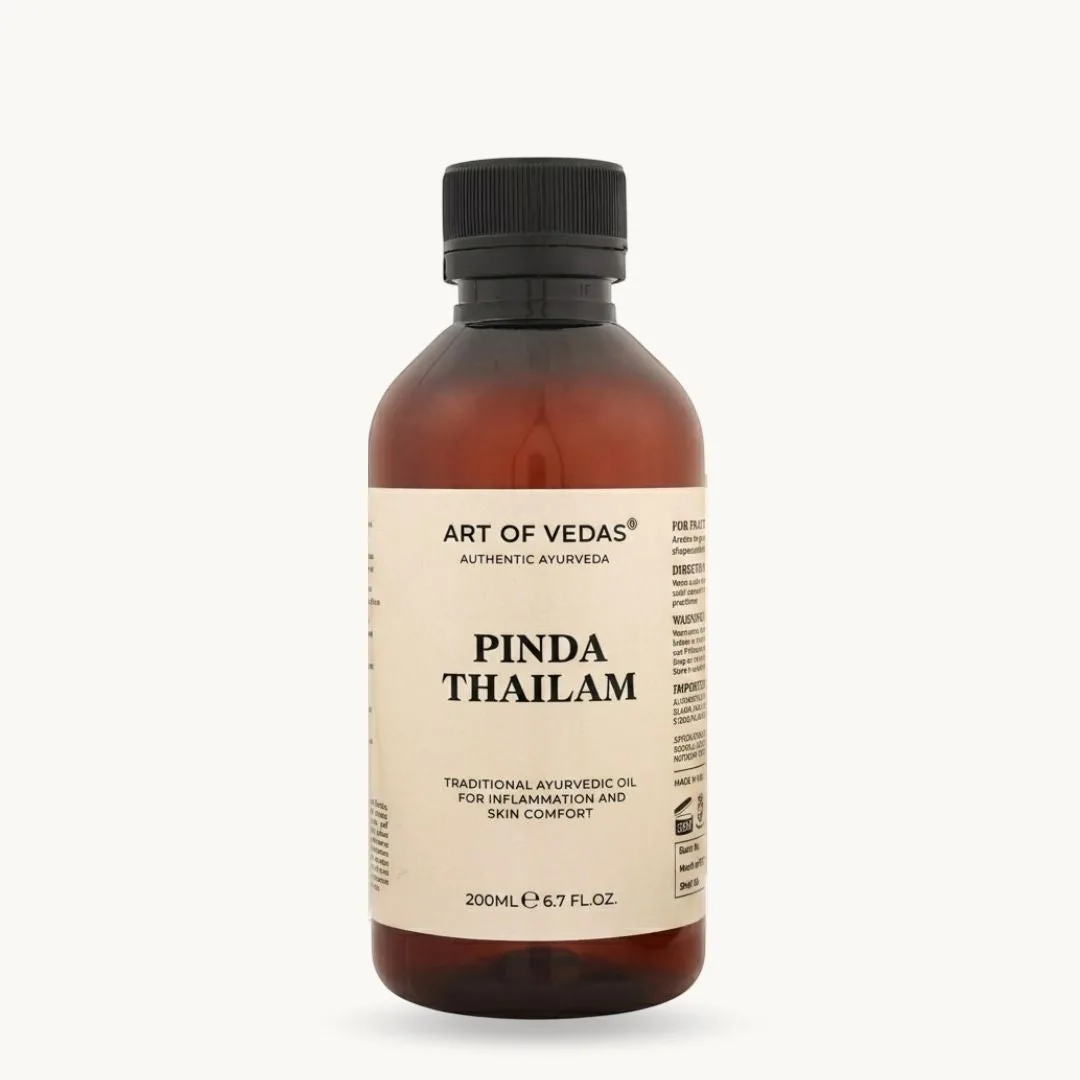
De klassieke Ayurveda is ongewoon precies over methode. Een Thailam (een klassieke bereiding waarin kruiden in een oliebasis worden verwerkt) wordt beschreven samen met hoe hij wordt verwarmd, waar hij wordt aangebracht, in welke richting en op welk uur. Abhyanga (de praktijk van zelfmassage met warme olie) is een handeling en niet louter een substantie. Los van haar methode is een Thailam eenvoudigweg olie.
Drie vragen volstaan vóór elke aankoop:
- Is er een concreet moment in de week waarop dit werkelijk gebruikt gaat worden?
- Zijn de aanwijzingen op het etiket begrijpelijk zonder verdere uitleg?
- Is de vorige verpakking opgemaakt?
Etiketten belonen aandacht, en daar staat onder welke wettelijke categorie een product valt. Art of Vedas publiceert een gids over het lezen van een Ayurvedisch productetiket, en onze Abhyanga oliën zijn een redelijk beginpunt wanneer de praktijk nieuw voor u is.
Een gezondere toekomst omvat ook de omgeving
Het thema kijkt vooruit, en een vooruitkijkende lezing van welzijn kan niet bij het individu stoppen. Ayurveda is een systeem dat rust op planten, oliën, water en warmte. Elk daarvan is eindig.
De gevolgen voor een huishouden zijn klein maar echt. Koop de maat die ook opgemaakt wordt. Kies glas waar dat opnieuw gebruikt kan worden. Bestel niet hetzelfde artikel tegelijk op drie plaatsen. Weersta het patroon waarbij een plank volloopt met halfvolle flessen, gekocht in één enthousiaste maand, die daarna stilletjes over de datum gaan.
Er is ook een stiller argument. De klassieke Ayurveda gaat ervan uit dat een mens doorloopt in zijn omgeving. Dezelfde eigenschappen waarmee een seizoen wordt beschreven, waaronder Rasa (smaak) en Virya (verwarmende of verkoelende werking), worden ook voor voedsel en bereidingen gebruikt. Een traditie die op die aanname rust, is slecht gediend met een omgeving die als wegwerpartikel wordt gezien.
Het thema deze week in praktijk brengen
Het thema is het nuttigst wanneer het wordt teruggebracht tot iets dat kan beginnen op de dag dat het gelezen wordt. Een redelijke eerste week ziet er zo uit.
- Kies één routine, geen vijf. Een vast tijdstip van opstaan, of één wekelijkse Abhyanga, is genoeg. Vijf veranderingen tegelijk houden het meestal ongeveer vier dagen vol.
- Begrijp waarom u het doet. Een praktijk die zonder reden wordt gevolgd, wordt in de eerste drukke week losgelaten.
- Maak de seizoenswissel bewust. Eind september is het natuurlijke moment om over te gaan op warmere kost, meer olie en een vroegere avond.
- Lees de aanwijzingen. Voor bereidingen voor uitwendig gebruik en bereidingen voor inname gelden verschillende regels, en het etiket vermeldt welke van de twee het is.
- Vraag een therapeut wanneer de situatie persoonlijk is. Zwangerschap, voorgeschreven medicatie en bestaande gezondheidsklachten zijn geen situaties om zelf mee te experimenteren.
Begin bij de grondbeginselen en verken daarna seizoensgebonden leven of hoe u een olie kiest.
Veelgestelde vragen
Wat is het thema van Ayurveda Dag 2026?
Het thema dat voor Ayurveda Dag 2026 is aangekondigd, is Ayurveda voor een gezondere toekomst. Het is een thema voor publieksvoorlichting en geen campagne rond een bepaalde bereiding of praktijk. Het doel is de aandacht te richten op de vraag hoe klassieke Ayurvedische beginselen verantwoord kunnen worden toegepast in het hedendaagse leven, met oog voor persoonlijke omstandigheden, voor veiligheid en voor de grenzen van wat een traditioneel systeem redelijkerwijs over zichzelf kan zeggen.
Is “Ayurveda voor een gezondere toekomst” een medische claim?
Nee. Het thema is een educatieve formulering en mag niet worden gelezen als een uitspraak over gezondheidsuitkomsten. Ayurvedische bereidingen die in Europa worden verkocht, vallen afhankelijk van hun gebruik onder de regels voor cosmetica of voedingssupplementen, en geen van beide categorieën mag zich als geneesmiddel presenteren. Waar een werkelijke gezondheidsklacht speelt, is de passende stap een gekwalificeerde zorgverlener, met Ayurvedische zelfzorg daarnaast en niet in de plaats daarvan.
Hoe kan ik Ayurveda Dag thuis vieren?
Bescheiden, en op een manier die daarna doorloopt. De passendste viering is om één routine te beginnen die vol te houden is: een vast tijdstip van opstaan, een onverstoorde middagmaaltijd, of een wekelijkse Abhyanga met warme olie. Één praktijk die door oktober en november wordt volgehouden, ligt veel dichter bij de geest van het thema dan één uitgebreide dag die niets achterlaat. Één hoofdstuk uit een betrouwbare inleiding lezen is ook een volkomen redelijke invulling van de gelegenheid.
Vervangt Ayurveda de reguliere gezondheidszorg?
Nee, en geen enkele verantwoorde presentatie ervan suggereert iets anders. Traditionele zelfzorgpraktijken en professioneel Ayurvedisch advies zijn bedoeld om naast de reguliere medische zorg te staan. Wie zwanger is, borstvoeding geeft, voorgeschreven medicatie gebruikt of een bestaande gezondheidsklacht heeft, bespreekt nieuwe praktijken of bereidingen eerst met de eigen arts, ook wanneer die mild lijken.
Wat betekent duurzame Ayurveda in de praktijk?
In de praktijk betekent het minder kopen en opmaken wat gekocht is. Het betekent verpakkingsmaten kiezen die bij werkelijk gebruik passen, glas hergebruiken waar dat kan, en uzelf afvragen of een nieuwe bereiding een echte plaats in de week heeft voordat u haar bestelt. Het betekent ook aanvaarden dat de planten en oliën waarop de traditie steunt eindig zijn, en dat een systeem dat op natuurlijke materialen rust slecht gediend is met materialen die als wegwerp worden gezien.
Waar begint een volstrekte beginner?
Bij de woordenschat en niet bij de producten. Begrijpen wat Dosha, Dinacharya en Ritucharya betekenen maakt al het andere makkelijker te plaatsen, en het biedt enige bescherming tegen de marketingtaal die rond dit onderwerp is gegroeid. Zodra het kader helder is, is één bereiding die voor een bepaald doel is gekozen meer waard dan verscheidene die op indruk zijn gekozen.